Many businesses still think of an ERP solution as little more than an accounting system. While financial management is an essential part of any ERP, limiting
its role to accounting alone means missing out on its true potential. In reality, a modern ERP system is designed to act as a central data hub-bringing together information
from across the organization to support better decisions and smoother operations.
Drawing from real implementation experiences and industry insights, this article explains why ERP systems must move beyond accounting, how centralized data creates measurable
business value, and what leaders should consider when working with enterprise resource planning software such as Odoo.
The Evolution of ERP Systems Beyond Accounting
The Evolution of ERP Systems Beyond Accounting
From Finance-Focused Tools to Integrated
Business Systems
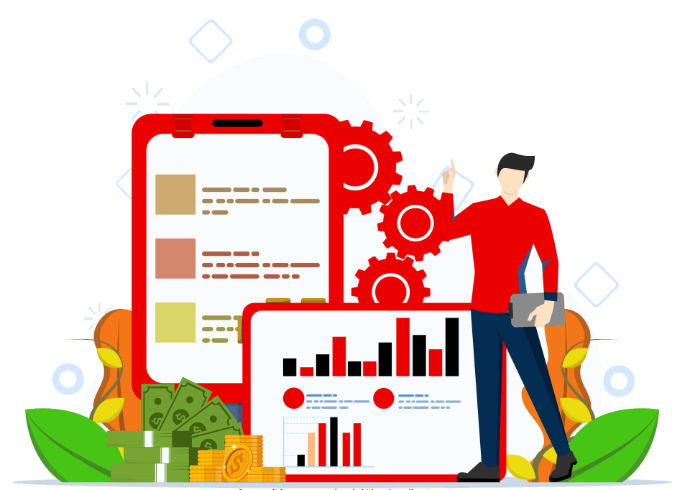
Early ERP platforms were primarily focused on financial record-keeping-general ledgers, invoicing, and compliance reporting. As businesses grew more complex, expectations changed. Research from Gartner shows that modern ERP systems now serve as enterprise-wide platforms that support operations, supply chains, customer relationships, and workforce management. Accounting remains important, but it no longer stands alone.
From Finance-Focused Tools to Integrated
Business Systems
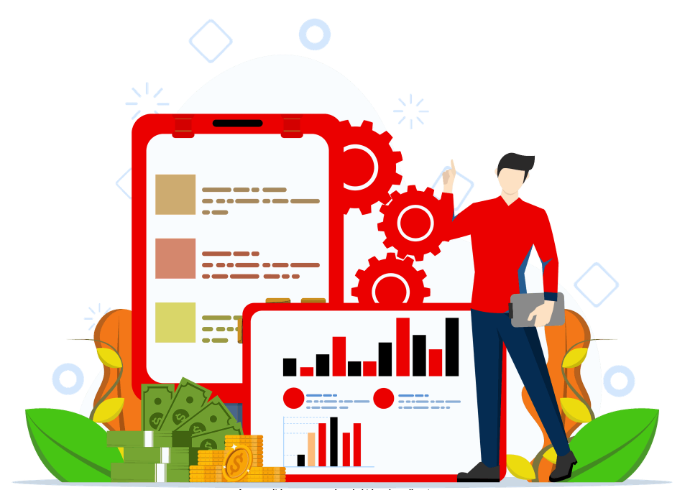
Early ERP platforms were primarily focused on financial record-keeping-general ledgers, invoicing, and compliance reporting. As businesses grew more complex, expectations changed. Research from Gartner shows that modern ERP systems now serve as enterprise-wide platforms that support operations, supply chains, customer relationships, and workforce management. Accounting remains important, but it no longer stands alone.
Why an Accounting-Only ERP Holds
Businesses Back
When organizations restrict their ERP solution to finance, other departments often rely on separate tools for sales, inventory, HR, or reporting. This fragmented approach creates data silos, manual reconciliation, and inconsistent insights. Over time, leaders are forced to make decisions using incomplete or outdated data, increasing both risk and inefficiency.

Why an Accounting-Only ERP Holds
Businesses Back
When organizations restrict their ERP solution to finance, other departments often rely on separate tools for sales, inventory, HR, or reporting. This fragmented approach creates data silos, manual reconciliation, and inconsistent insights. Over time, leaders are forced to make decisions using incomplete or outdated data, increasing both risk and inefficiency.
ERP Solution as the Central Data Hub
ERP Solution as the Central Data Hub
Eliminating Data Silos Across Departments
A well-designed ERP solution connects data from every function into a single source of truth. Sales activities automatically impact inventory levels, purchasing decisions affect cash flow projections, and HR data feeds into project costing. This level of alignment is only possible when the ERP system is used as the central data hub.
Gaining Real-Time Business Visibility
Centralized ERP data gives managers immediate access to key performance indicators. Instead of waiting for monthly reports, teams can track revenue, stock availability, and operational performance in real time. In one distribution business, shifting to a centralized ERP reduced reporting cycles from several days to just a few minutes.
Building Confidence Through Accurate Data
When all departments work from the same data set, inconsistencies and duplication are minimized. This improves trust in dashboards and reports and supports better compliance, auditing, and forecasting. Accurate data is especially critical as organizations scale.
Eliminating Data Silos Across Departments
A well-designed ERP solution connects data from every function into a single source of truth. Sales activities automatically impact inventory levels, purchasing decisions affect cash flow projections, and HR data feeds into project costing. This level of alignment is only possible when the ERP system is used as the central data hub.
Gaining Real-Time Business Visibility
Centralized ERP data gives managers immediate access to key performance indicators. Instead of waiting for monthly reports, teams can track revenue, stock availability, and operational performance in real time. In one distribution business, shifting to a centralized ERP reduced reporting cycles from several days to just a few minutes.
Building Confidence Through Accurate Data
When all departments work from the same data set, inconsistencies and duplication are minimized. This improves trust in dashboards and reports and supports better compliance, auditing, and forecasting. Accurate data is especially critical as organizations scale.
How Enterprise Resource Planning Software Enables Better Decisions
How Enterprise Resource Planning Software Enables Better Decisions
Connected Reporting and Insights
Modern enterprise resource planning software includes built-in reporting and analytics that draw from multiple business areas. Rather than reviewing isolated metrics, leaders gain a complete view of performance, helping them identify trends, risks, and opportunities earlier.
Connected Reporting and Insights
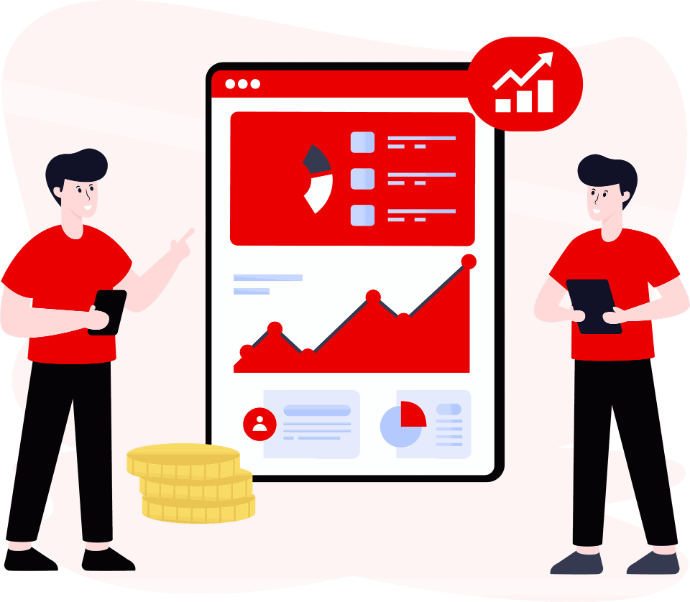
Modern enterprise resource planning software includes built-in reporting and analytics that draw from multiple business areas. Rather than reviewing isolated metrics, leaders gain a complete view of performance, helping them identify trends, risks, and opportunities earlier.
Real-World Example of Centralized ERP Value
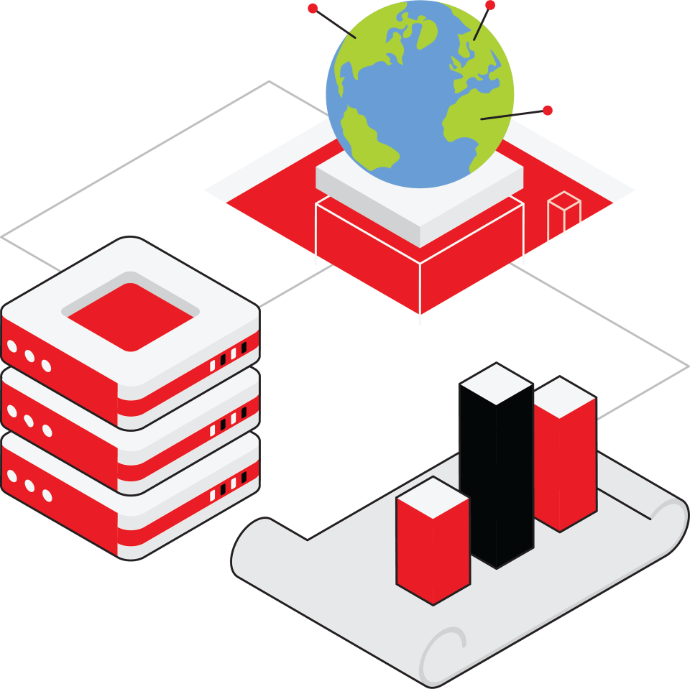
A mid-sized manufacturing company adopted an ERP solution as its primary data hub. Before implementation, planning relied heavily on spreadsheets and manual updates. After integration, production, inventory, and sales forecasts were fully aligned. Within a year, the company reduced excess stock by 25% and significantly improved delivery timelines.
Real-World Example of Centralized ERP Value
A mid-sized manufacturing company adopted an ERP solution as its primary data hub. Before implementation, planning relied heavily on spreadsheets and manual updates. After integration, production, inventory, and sales forecasts were fully aligned. Within a year, the company reduced excess stock by 25% and significantly improved delivery timelines.
Stronger Forecasting and Planning
Reliable forecasts depend on consistent data. ERP systems support scenario planning by combining historical information with live operational data. This enables leadership teams to respond proactively to demand shifts, cost changes, and market uncertainty.

Stronger Forecasting and Planning
Reliable forecasts depend on consistent data. ERP systems support scenario planning by combining historical information with live operational data. This enables leadership teams to respond proactively to demand shifts, cost changes, and market uncertainty.
Odoo ERP as a Central Business Platform
Odoo ERP as a Central Business Platform

Why Odoo Works Well
as a Data Hub
Odoo is built as a modular yet unified ERP solution. Its finance, CRM, inventory, manufacturing, HR, and project management modules all operate on a shared database. When implemented correctly, this structure ensures smooth data flow across the organization.
Common Pitfalls in Odoo
ERP Implementations
Despite its flexibility, Odoo can fall short if modules are deployed in isolation or without process alignment. In one service-based organization, separating CRM and accounting caused recurring billing issues. A centralized redesign aligned data flows and resolved reconciliation problems.
Why Odoo Works Well
as a Data Hub
Odoo is built as a modular yet unified ERP solution. Its finance, CRM, inventory, manufacturing, HR, and project management modules all operate on a shared database. When implemented correctly, this structure ensures smooth data flow across the organization.
Common Pitfalls in Odoo
ERP Implementations
Despite its flexibility, Odoo can fall short if modules are deployed in isolation or without process alignment. In one service-based organization, separating CRM and accounting caused recurring billing issues. A centralized redesign aligned data flows and resolved reconciliation problems.
Security, Compliance, and Trust in Centralized ERP Data
Security, Compliance, and Trust in Centralized ERP Data
Protecting Business-Critical Information
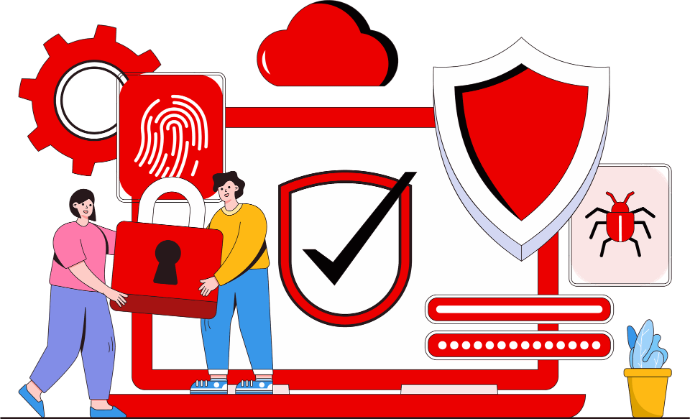
Centralizing data does not mean sacrificing security. A properly implemented ERP solution uses role-based access, audit trails, and encryption to protect sensitive information. Industry standards such as ISO/IEC 27001 highlight the importance of strong controls within enterprise systems.
Simplifying Compliance and Audits
When ERP data is centralized, compliance becomes easier to manage. Transactions can be traced end to end, making audits faster and more reliable. This is particularly valuable for businesses operating across regions or industries with strict regulatory requirements
Protecting Business-Critical Information
Centralizing data does not mean sacrificing security. A properly implemented ERP solution uses role-based access, audit trails, and encryption to protect sensitive information. Industry standards such as ISO/IEC 27001 highlight the importance of strong controls within enterprise systems.
Simplifying Compliance and Audits
When ERP data is centralized, compliance becomes easier to manage. Transactions can be traced end to end, making audits faster and more reliable. This is particularly valuable for businesses operating across regions or industries with strict regulatory requirements
The ERP Consultant’s Role in Creating a Data-Driven ERP
The ERP Consultant’s Role in Creating a Data-Driven ERP

Designing ERP Around Real Business Processes
An experienced ERP consultant ensures that the ERP solution supports how the business actually works. Instead of forcing teams to adapt to rigid system structures, consultants design workflows that balance flexibility, control, and long-term sustainability.
Planning for Growth and Scalability
ERP systems should evolve alongside the business. Consultants help organizations select the right modules, design scalable architectures, and implement phased rollouts. This approach minimizes disruption while maximizing long-term value.
Designing ERP Around Real Business Processes
An experienced ERP consultant ensures that the ERP solution supports how the business actually works. Instead of forcing teams to adapt to rigid system structures, consultants design workflows that balance flexibility, control, and long-term sustainability.
Planning for Growth and Scalability
ERP systems should evolve alongside the business. Consultants help organizations select the right modules, design scalable architectures, and implement phased rollouts. This approach minimizes disruption while maximizing long-term value.
Conclusion: ERP Systems Should Power the Entire Organization
An ERP solution that functions only as an accounting tool cannot deliver its full value. To support smarter decisions, operational efficiency, and sustainable growth, ERP systems must act as the central data hub for the organization. When financial, operational, and people data are fully connected, businesses gain clarity, control, and confidence
Conclusion: ERP Systems Should Power the Entire Organization
An ERP solution that functions only as an accounting tool cannot deliver its full value. To support smarter decisions, operational efficiency, and sustainable growth, ERP systems must act as the central data hub for the organization. When financial, operational, and people data are fully connected, businesses gain clarity, control, and confidence
FAQ
FAQ
It means the ERP system stores and connects data from all departments-finance, sales, inventory, HR, and operations-in one place, creating a single source of truth for the entire organization.
When an ERP solution is limited to accounting, other teams rely on disconnected tools. This leads to data silos, manual reconciliation, reporting errors, and slower decision-making.
Enterprise resource planning software combines real-time data from multiple functions, giving leaders accurate insights, better forecasting, and clearer visibility into performance and risks.
It means the ERP system stores and connects data from all departments-finance, sales, inventory, HR, and operations-in one place, creating a single source of truth for the entire organization.
When an ERP solution is limited to accounting, other teams rely on disconnected tools. This leads to data silos, manual reconciliation, reporting errors, and slower decision-making.
Enterprise resource planning software combines real-time data from multiple functions, giving leaders accurate insights, better forecasting, and clearer visibility into performance and risks.
Yes, Odoo ERP is designed as a unified and modular system. When implemented correctly, it allows all business modules to share data seamlessly and function as a centralized platform.
While not mandatory, an ERP consultant helps ensure proper data structure, secure integrations, scalable design, and alignment with real business processes-reducing long-term risks and rework.
Yes, Odoo ERP is designed as a unified and modular system. When implemented correctly, it allows all business modules to share data seamlessly and function as a centralized platform.
While not mandatory, an ERP consultant helps ensure proper data structure, secure integrations, scalable design, and alignment with real business processes-reducing long-term risks and rework.