As more businesses move their operations to the cloud, one question keeps coming up: should you rely on a public cloud or invest in a dedicated cloud server?
While public cloud platforms are popular for their quick setup and flexibility, many companies eventually realize that shared infrastructure can limit control, security, and
long-term reliability-especially for critical workloads.
This guide breaks down the real differences between public cloud and dedicated cloud environments, drawing from real-world experience to explain why full control
often becomes a business necessity rather than a luxury.
Understanding Cloud Deployment Models
Understanding Cloud Deployment Models

What Is a Public Cloud?
A public cloud is a shared environment where computing resources are used by multiple customers at the same time. The cloud provider manages the hardware, networking, and core infrastructure, allowing businesses to deploy applications quickly and pay only for what they use. This model is commonly used for testing, development, and workloads with unpredictable demand.
What Is a Public Cloud?
A public cloud is a shared environment where computing resources are used by multiple customers at the same time. The cloud provider manages the hardware, networking, and core infrastructure, allowing businesses to deploy applications quickly and pay only for what they use. This model is commonly used for testing, development, and workloads with unpredictable demand.
What Is a Dedicated Cloud Server?
A dedicated cloud server, also known as a private cloud server, provides a single-tenant environment where all resources are allocated to one organization. It delivers the flexibility of cloud computing while maintaining the isolation, performance, and control typically associated with dedicated hardware.
What Is a Dedicated Cloud Server?
A dedicated cloud server, also known as a private cloud server, provides a single-tenant environment where all resources are allocated to one organization. It delivers the flexibility of cloud computing while maintaining the isolation, performance, and control typically associated with dedicated hardware.
Why Full Control Is Crucial for Modern Businesses
Why Full Control Is Crucial for Modern Businesses

Consistent Performance for Critical Applications
In public cloud environments, performance can vary when other tenants consume shared resources. With a dedicated cloud server, performance remains stable because resources are reserved exclusively for your workloads. For example, a mid-sized e-commerce business saw a 35% improvement in page load times after moving from a shared public cloud to a dedicated cloud setup-directly boosting user experience and conversions
Stronger Security and Data Isolation
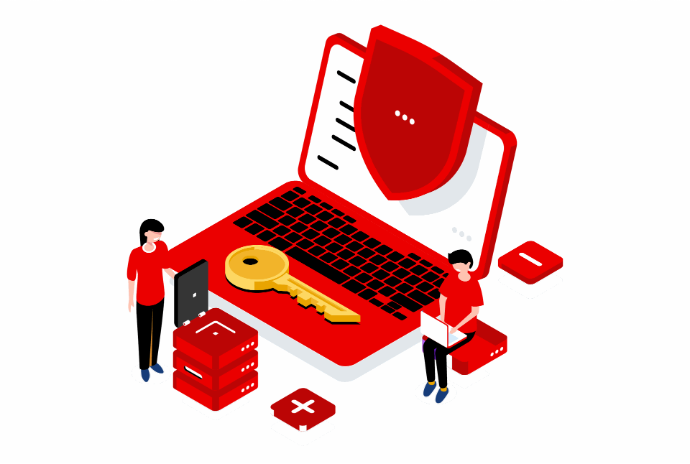
Security becomes far more manageable in a dedicated environment. Businesses have full control over firewall rules, access permissions, and encryption policies. This makes it easier to align with standards such as ISO/IEC 27001 and regulations like GDPR, while reducing risks associated with shared infrastructure.

Simpler Compliance and Regulatory Management
For industries like finance, healthcare, and manufacturing, compliance is non-negotiable. A private cloud server allows organizations to define data residency, auditing, and retention policies with confidence-something that can be complex to control fully in a public cloud environment.
Consistent Performance for Critical Applications
In public cloud environments, performance can vary when other tenants consume shared resources. With a dedicated cloud server, performance remains stable because resources are reserved exclusively for your workloads. For example, a mid-sized e-commerce business saw a 35% improvement in page load times after moving from a shared public cloud to a dedicated cloud setup-directly boosting user experience and conversions
Stronger Security and Data Isolation
Security becomes far more manageable in a dedicated environment. Businesses have full control over firewall rules, access permissions, and encryption policies. This makes it easier to align with standards such as ISO/IEC 27001 and regulations like GDPR, while reducing risks associated with shared infrastructure.
Simpler Compliance and Regulatory Management
For industries like finance, healthcare, and manufacturing, compliance is non-negotiable. A private cloud server allows organizations to define data residency, auditing, and retention policies with confidence-something that can be complex to control fully in a public cloud environment.
Dedicated Cloud Server vs. Public Cloud: A Practical Comparison
Dedicated Cloud Server vs. Public Cloud: A Practical Comparison

Customization and Infrastructure Control
Public cloud platforms often limit how much you can customize the underlying infrastructure. Dedicated cloud environments give you the freedom to choose operating systems, security tools, and configurations tailored to your specific applications and performance needs.
Customization and Infrastructure Control
Public cloud platforms often limit how much you can customize the underlying infrastructure. Dedicated cloud environments give you the freedom to choose operating systems, security tools, and configurations tailored to your specific applications and performance needs.
More Predictable Long-Term Costs
Public cloud pricing can become unpredictable over time due to scaling, data transfer fees, and usage spikes. Many organizations find that dedicated cloud hosting offers more stable and predictable costs-especially for workloads with consistent resource requirements.

More Predictable Long-Term Costs
Public cloud pricing can become unpredictable over time due to scaling, data transfer fees, and usage spikes. Many organizations find that dedicated cloud hosting offers more stable and predictable costs-especially for workloads with consistent resource requirements.

Greater Visibility and Operational Control
With full administrative access, IT teams gain deeper visibility into system performance and resource usage. This makes it easier to troubleshoot issues, plan capacity, and maintain uptime without relying entirely on third-party limitations.
Greater Visibility and Operational Control
With full administrative access, IT teams gain deeper visibility into system performance and resource usage. This makes it easier to troubleshoot issues, plan capacity, and maintain uptime without relying entirely on third-party limitations.
Real-World Use Cases for Dedicated Cloud Servers
Real-World Use Cases for Dedicated Cloud Servers

High-Traffic Websites and
SaaS Platforms
Businesses running customer-facing applications or SaaS products rely on consistent uptime and performance. Dedicated cloud infrastructure ensures reliability even during traffic spikes.

Data-Heavy Analytics and AI Workloads
Analytics and AI applications require sustained compute power. A private cloud server guarantees that resources remain available without interference from other tenants.
Disaster Recovery and
Business Continuity
Dedicated cloud environments support advanced disaster recovery strategies, allowing organizations to define clear recovery time and recovery point objectives.
High-Traffic Websites and
SaaS Platforms
Businesses running customer-facing applications or SaaS products rely on consistent uptime and performance. Dedicated cloud infrastructure ensures reliability even during traffic spikes.
Data-Heavy Analytics and AI Workloads
Analytics and AI applications require sustained compute power. A private cloud server guarantees that resources remain available without interference from other tenants.
Disaster Recovery and
Business Continuity
Dedicated cloud environments support advanced disaster recovery strategies, allowing organizations to define clear recovery time and recovery point objectives.
Trust, Expertise, and Long-Term Value
Trust, Expertise, and Long-Term Value
Aligned with Recognized Industry Standards
Dedicated cloud infrastructures are commonly designed to follow guidelines from organizations such as NIST, reinforcing security, reliability, and operational best practices.
Expert Support Through Managed Services
Many businesses choose fully managed dedicated cloud servers, gaining access to experienced engineers, proactive monitoring, and service-level guarantees-freeing internal teams to focus on strategic initiatives.
Aligned with Recognized Industry Standards
Dedicated cloud infrastructures are commonly designed to follow guidelines from organizations such as NIST, reinforcing security, reliability, and operational best practices.
Expert Support Through Managed Services
Many businesses choose fully managed dedicated cloud servers, gaining access to experienced engineers, proactive monitoring, and service-level guarantees-freeing internal teams to focus on strategic initiatives.
Conclusion: Choosing Control for Long-Term Success
Public cloud solutions are useful for many scenarios, but when performance, security, and compliance truly matter, a dedicated cloud server stands out. Full infrastructure control supports stability today and scalability for the future.
Conclusion: Choosing Control for Long-Term Success
Public cloud solutions are useful for many scenarios, but when performance, security, and compliance truly matter, a dedicated cloud server stands out. Full infrastructure control supports stability today and scalability for the future.
FAQ
FAQ
A dedicated cloud server is a single-tenant cloud environment where all computing resources are reserved for one organization, providing full control, better performance, and enhanced security.
Public cloud platforms share resources among multiple users, while a dedicated cloud server offers isolated infrastructure, greater customization, and more predictable performance.
Yes, a private or dedicated cloud server reduces exposure to shared risks and allows tighter control over access, data security policies, and compliance requirements.
A dedicated cloud server is a single-tenant cloud environment where all computing resources are reserved for one organization, providing full control, better performance, and enhanced security.
Public cloud platforms share resources among multiple users, while a dedicated cloud server offers isolated infrastructure, greater customization, and more predictable performance.
Yes, a private or dedicated cloud server reduces exposure to shared risks and allows tighter control over access, data security policies, and compliance requirements.
Businesses running mission-critical applications, handling sensitive data, or requiring consistent performance and regulatory compliance benefit most from dedicated cloud servers.
Absolutely. Dedicated cloud servers are designed to scale on demand while maintaining resource isolation, performance stability, and full infrastructure control.
Businesses running mission-critical applications, handling sensitive data, or requiring consistent performance and regulatory compliance benefit most from dedicated cloud servers.
Absolutely. Dedicated cloud servers are designed to scale on demand while maintaining resource isolation, performance stability, and full infrastructure control.